SEND
Welcome to Slinfold CE Primary School SEND Support. I am Claire Collins, and I'm the Deputy Headteacher and Inclusion Leader. I hope you find this page helpful in explaining how children with SEND are supported in our school. There is also further information regarding outside organisations who can also help you support your children. If you have any questions regarding SEND, please contact me through the school office by telephone 01403 790253 or via email.
Special Education Needs and Disabilities (SEND)
At Slinfold CE Primary School, we acknowledge the individual needs of our children and employ strategies to meet these. The strategies may include using different resources or providing a child with additional group or individual support.
A child who receives additional support is monitored closely through a process of Assess-Plan-Do-Review which is in line with the requirements of the SEND Code of Practice (2014). The parents and carers of children receiving additional support are kept informed about their child's progress through both verbal and written feedback. The school acknowledges the importance of working closely with parents and carers, and their views are always sought.
Sometimes the school may also draw on the expertise of outside professionals like Speech and Language Therapists and Educational Psychologists.
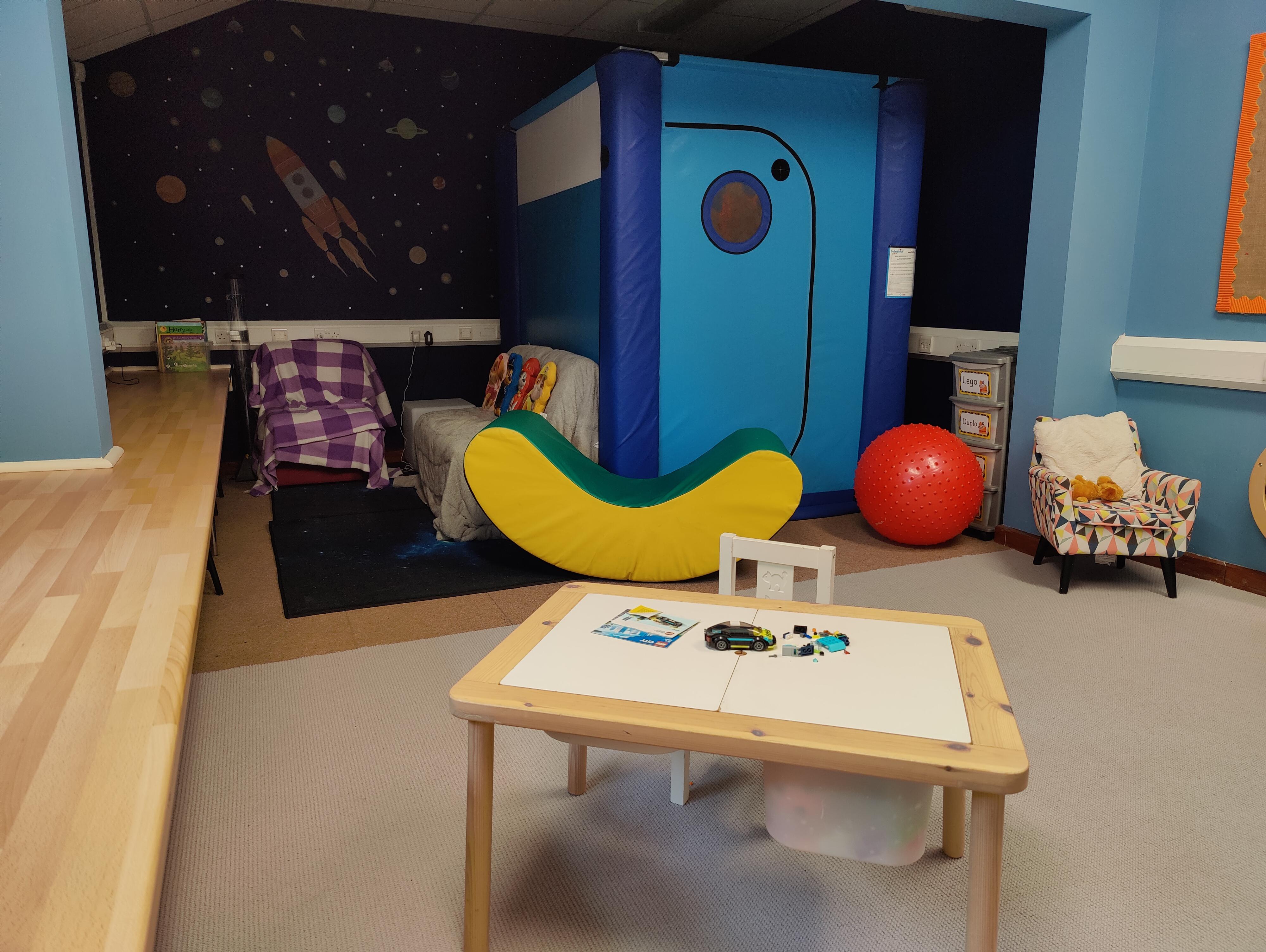
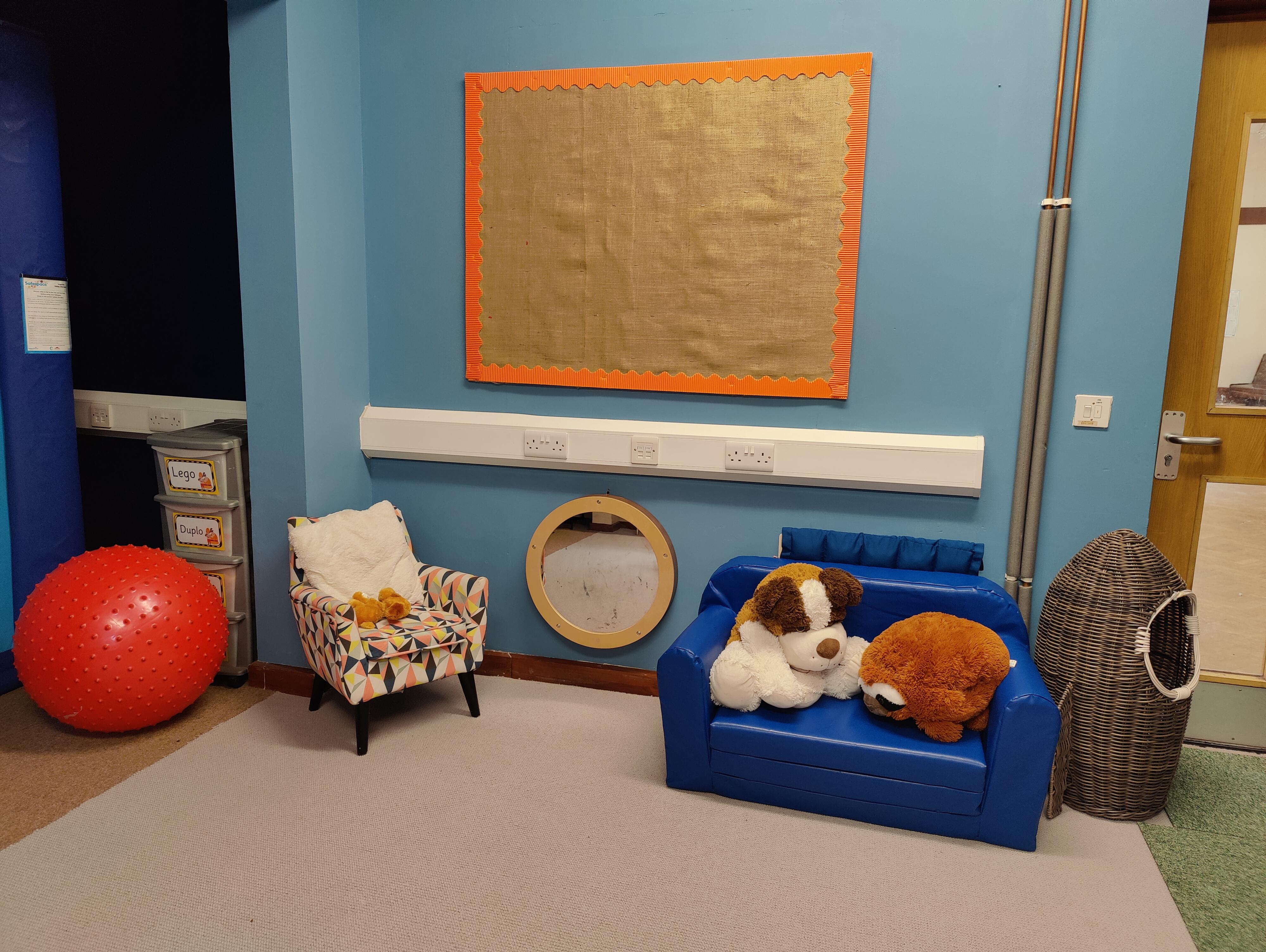
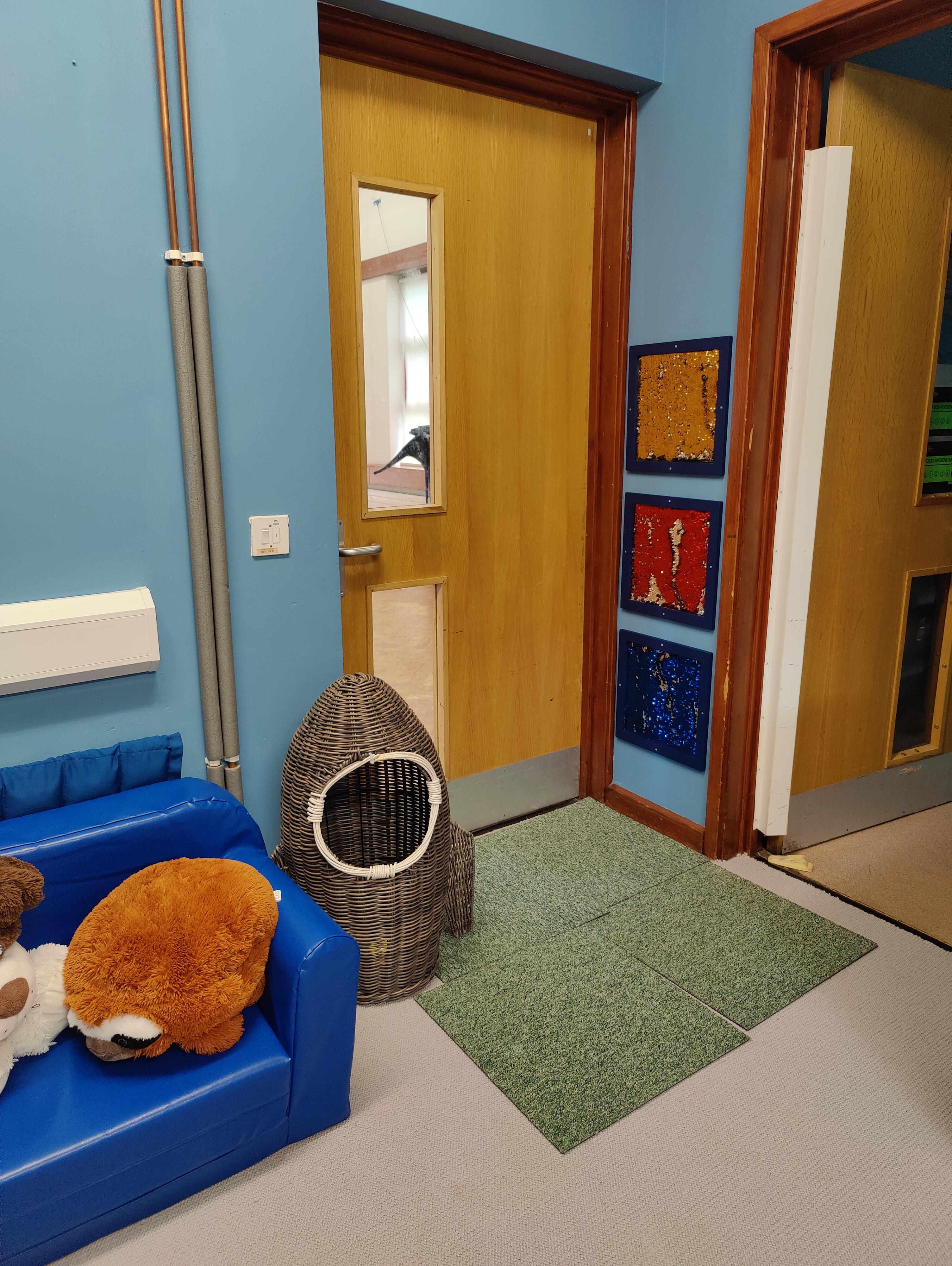
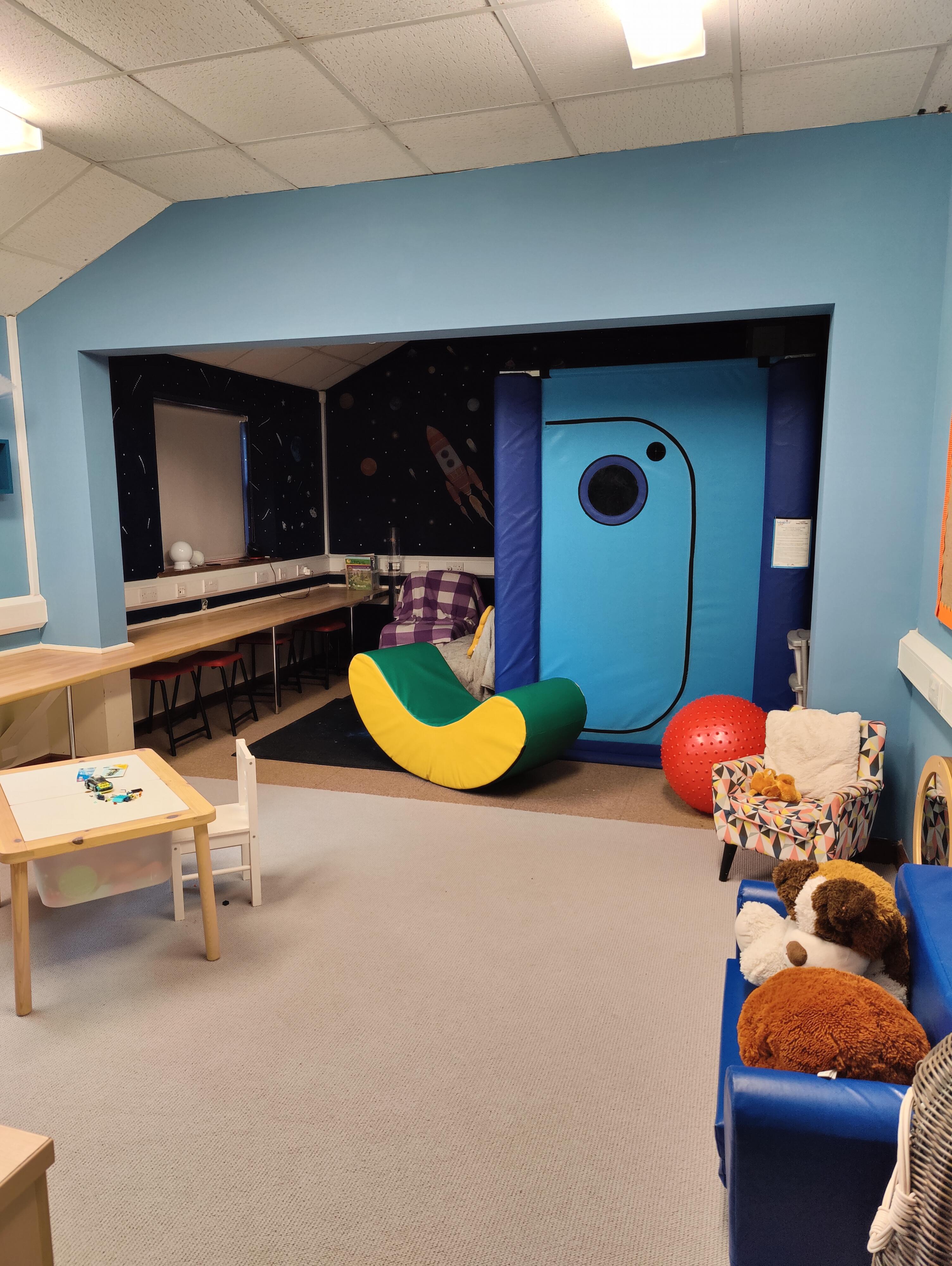
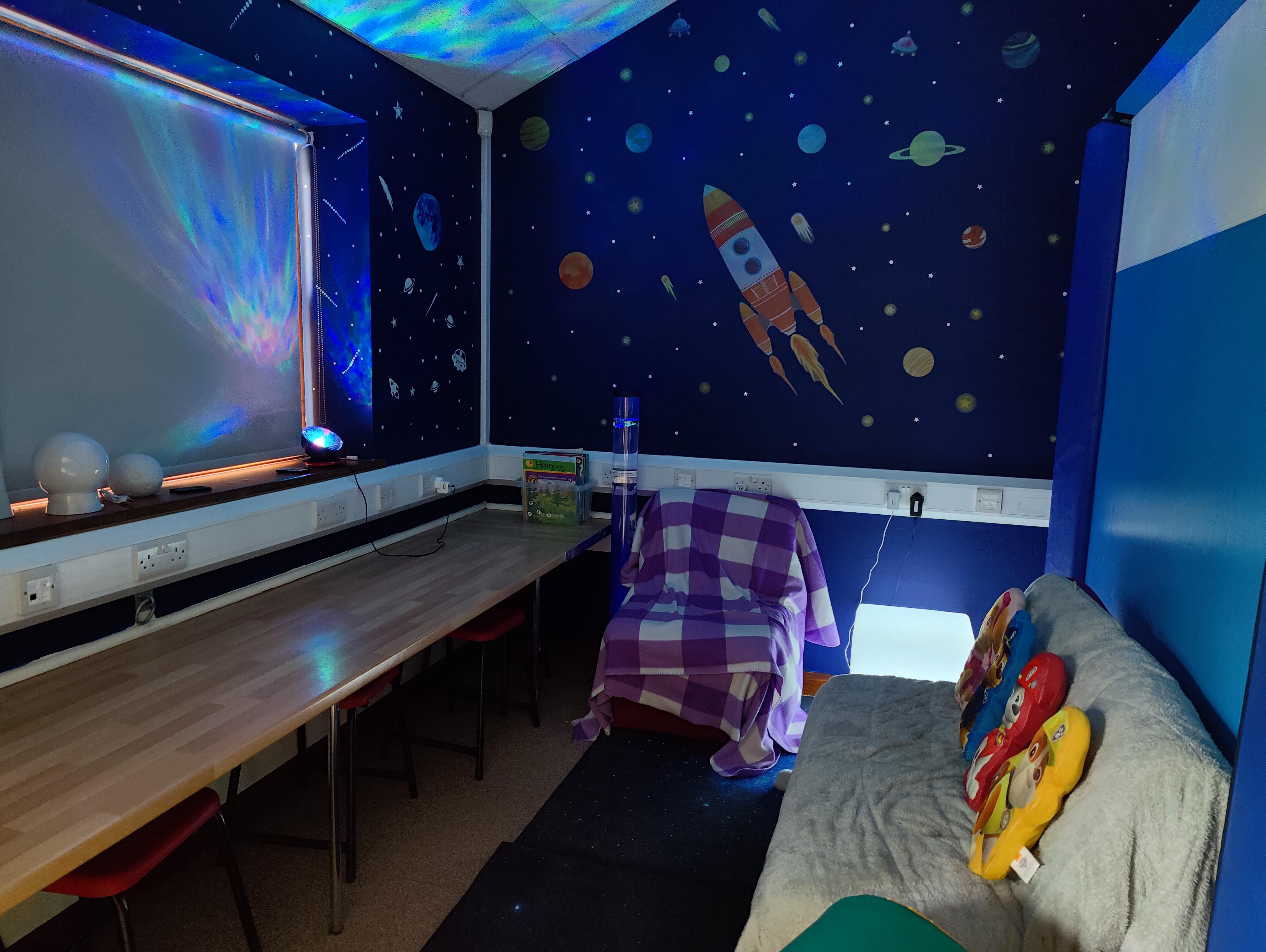
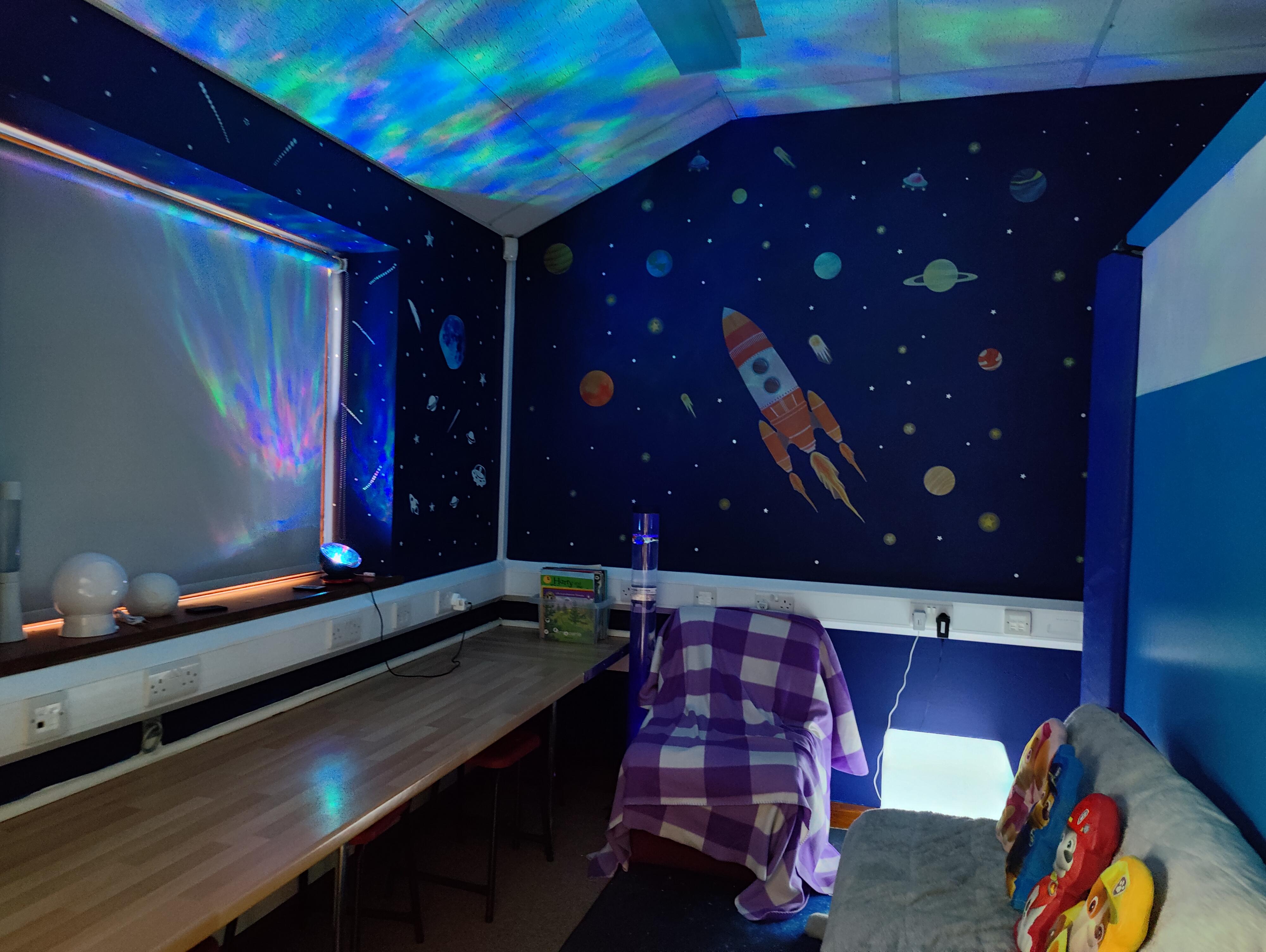
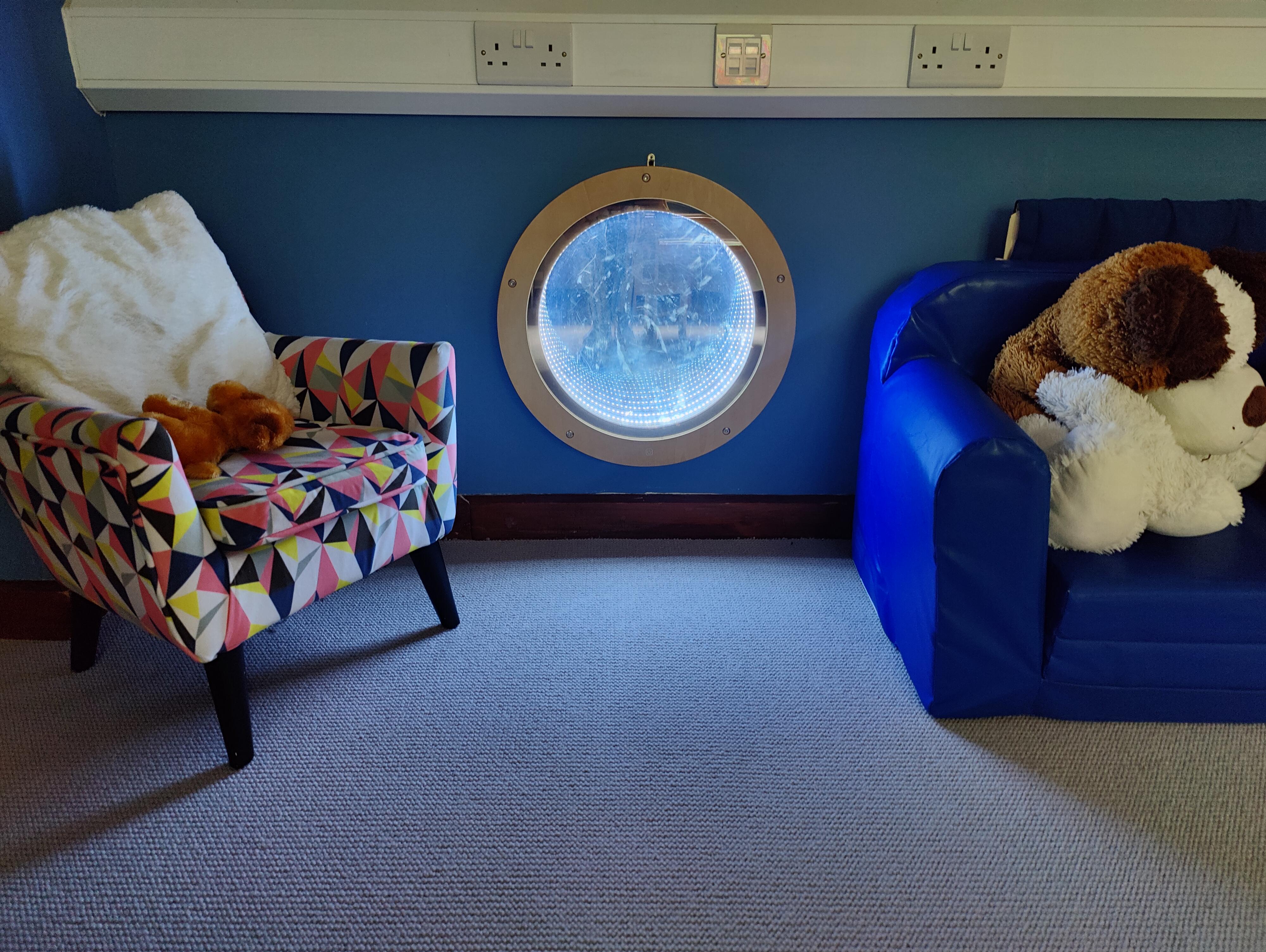
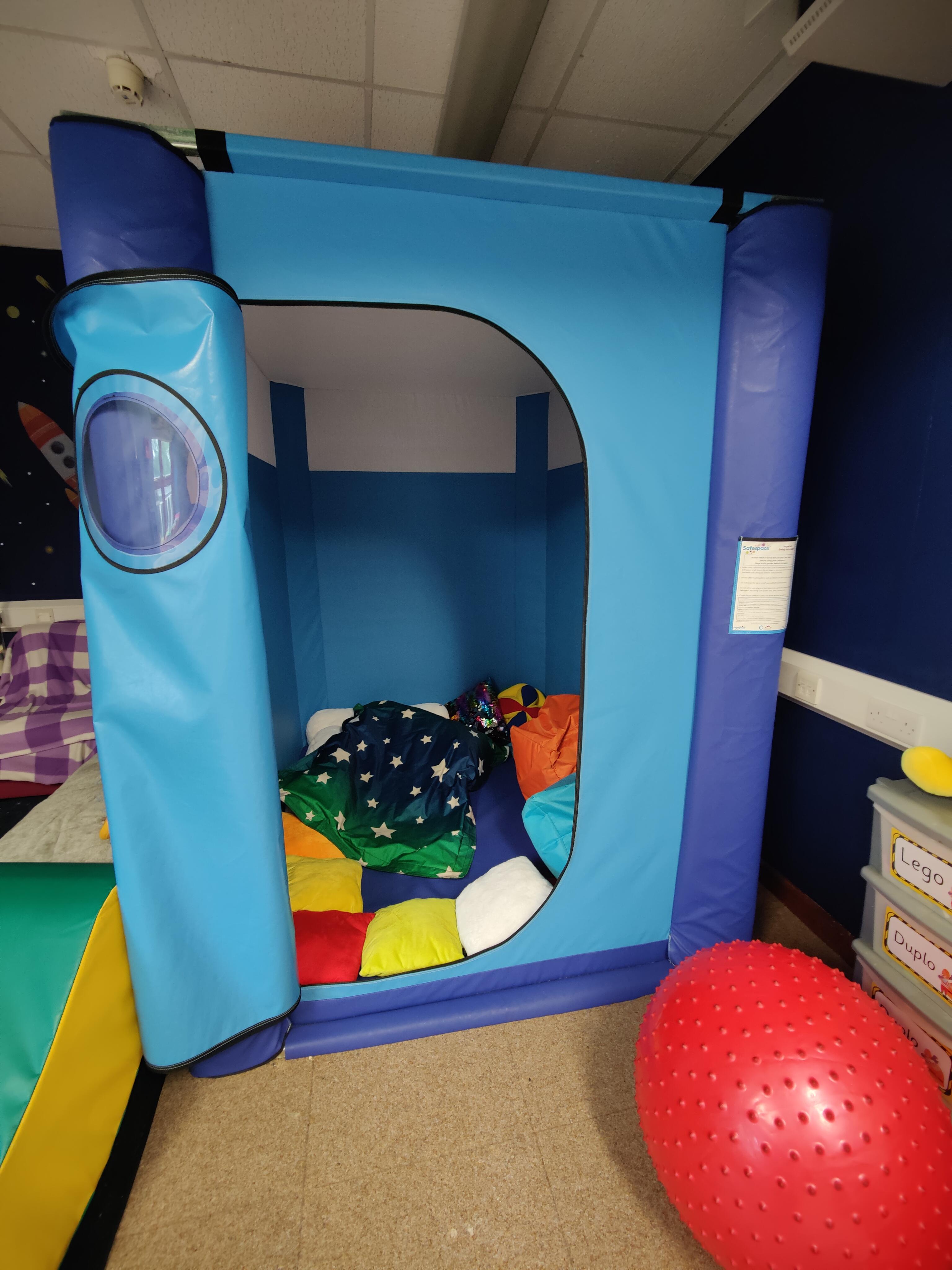
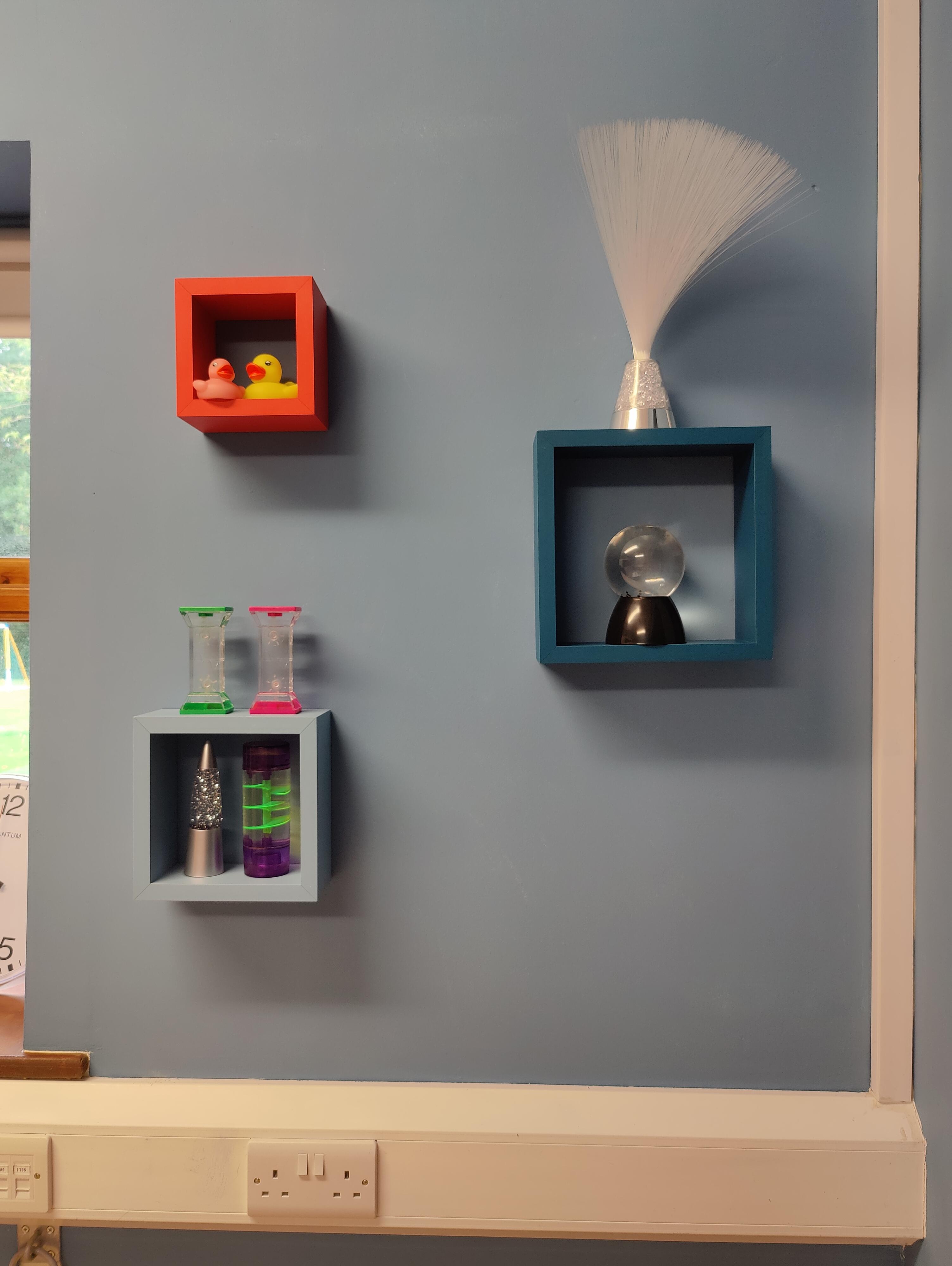
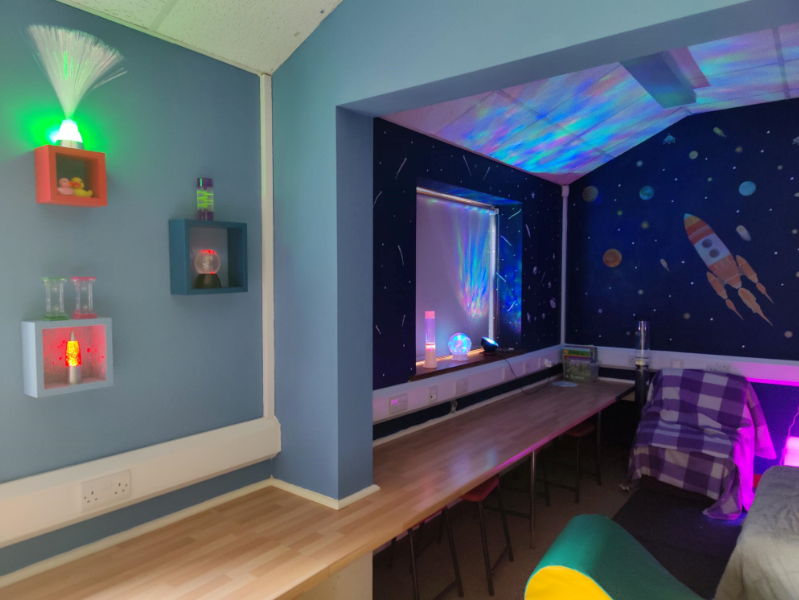
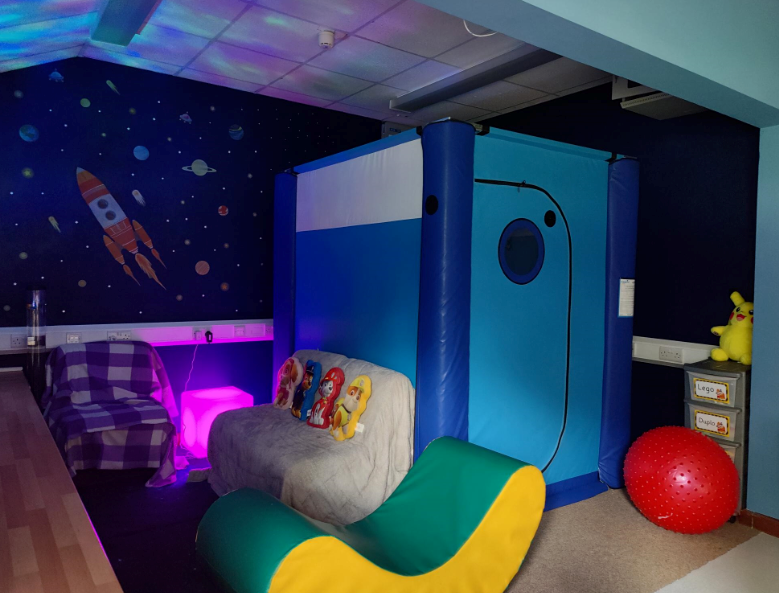
We are committed to providing a full and inclusive curriculum for all of our children. All areas of the school are accessible and we have a purpose-built sensory room.
Further details on how the school and West Sussex support children with SEND can be found in the Local offer documents below.
West Sussex Local Offer
Every local authority has to display their offer of Special Needs Provision and services available for children with disabilities and Special Educational Needs. This is called the ‘Local Offer’. The intention is to offer choice, transparency and information for families, as well as providing a resource for professionals to detail the range of services and provision locally.
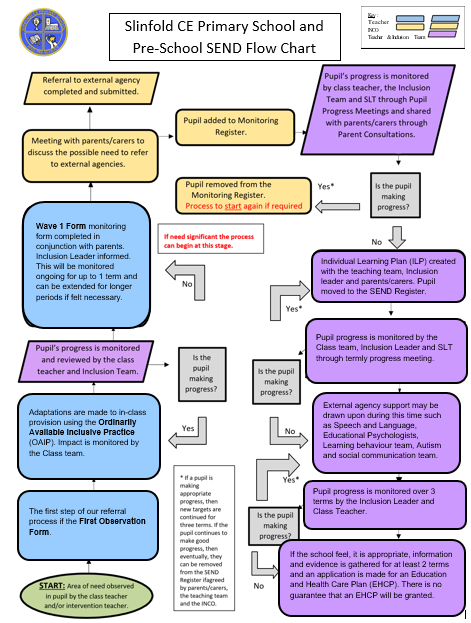
SEND referral flow chart
The NEST - Sensory room

Levels of support
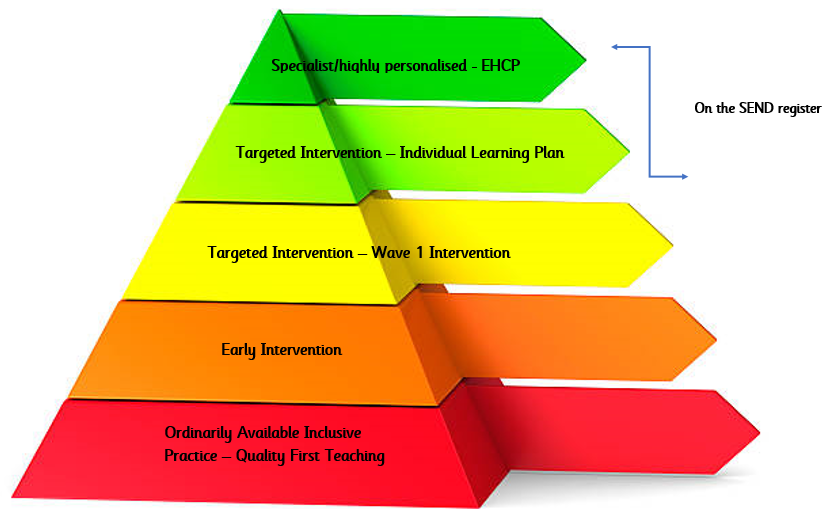
Ordinarily Available Inclusive Practice (OAIP)
At Slinfold CE Primary School, we are committed to ensuring that every child feels valued, included and supported to achieve their full potential. Our Ordinarily Available Inclusive Practice (OAIP) outlines the inclusive strategies and approaches used by our staff to support all children, including those with special educational needs and disabilities (SEND). These approaches help remove barriers to learning, promote independence and ensure that every child can access our broad and engaging curriculum and thrive within our school community.
Early Intervention
When we first identify an emerging need, we take a proactive approach to providing additional support through early intervention. Working closely with the child, their family and relevant staff, we identify barriers to learning and put targeted strategies in place as early as possible. This may include additional observations, specific interventions or personalised approaches to support the child’s individual needs. Our aim is to address difficulties early, build on each child’s strengths and help them make progress, ensuring that support is reviewed regularly and adapted as needed.
Targeted Intervention
If a child does not make sufficient progress despite early intervention, we move to the next level of support through targeted intervention. This involves more focused and personalised support based on the child’s identified needs, with clear targets and specific strategies in place to help them overcome barriers to learning. We work in partnership with families and, where appropriate, seek advice from relevant external professionals to ensure support is effective. Progress is monitored and reviewed regularly, through a Wave 1 support meeting, so that provision can be adapted to meet the child’s changing needs and help them achieve their full potential.
Targeted Support – Individual Learning Plan (ILP)
If a child makes limited progress despite Wave 1 support, a more personalised level of support may be required. At this stage, an Individual Learning Plan (ILP) will be developed, outlining the child’s strengths, areas of need, specific targets and the strategies and provision needed to support their progress. In collaboration with parents and carers, the child will be added to the school’s SEND register, recognising that they may require additional support to access learning and achieve their potential. Progress will be reviewed termly, with families involved in evaluating the effectiveness of support and agreeing next steps.
Education, Health and Care Plan (EHCP)
If a child continues to make very limited progress despite sustained and targeted support over a prolonged period, and it is believed that they may require ongoing, significant levels of support, an Education, Health and Care Needs Assessment (EHCNA) may be considered. This process explores whether an Education, Health and Care Plan (EHCP) is needed to identify and secure the provision required to meet the child’s needs. Any concerns and potential next steps will be discussed in partnership with parents and carers, ensuring that their views and the child’s needs remain central to the process.
Graduated Approach
Supporting Documents
What people say
Parent Survey
Following a parent survey regarding the SEND provision at Slinfold CE Primary and Pre-School -
87.5% of parents agreed or strongly agreed that "I know how the school provides for children with SEND."
100% of parents agreed or strongly agreed that "The Inclusion leader is approachable and friendly."
100% of parents agreed or strongly agreed that "I know what my child is working towards from their ILP (Individual Learning Plan) and can support this at home."
87.5% of parents agreed or strongly agreed that "Targets and interventions on your child’s ILP are appropriate to my child’s needs."
100% of parents agreed or strongly agreed that "The new Learning Journal enables me to clearly see the support my child is getting at school and the progress they are making".
87.5% of parents agreed or strongly agreed that "Everyone in the school is supportive and actively supports my child.".
87.5% of parents agreed or strongly agreed that "My child can access all extra-curricular activities and visits."
75% of parents agreed or strongly agreed that "The school website contains useful information about SEN."
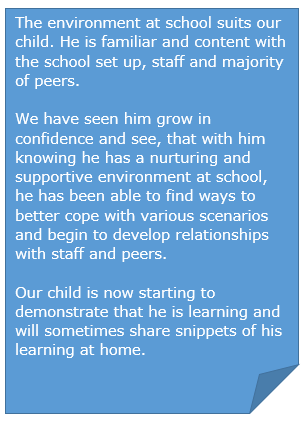
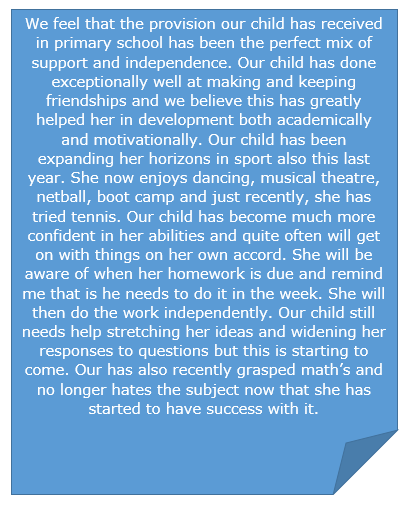
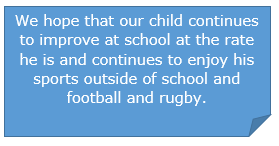
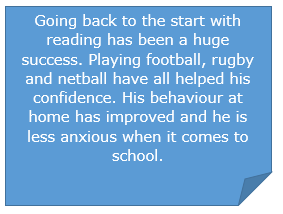
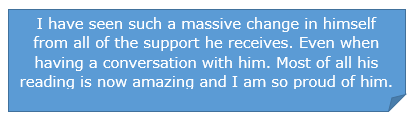
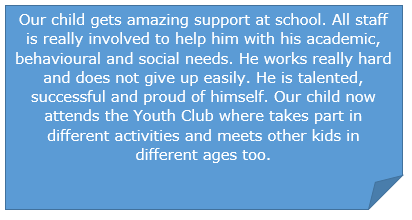
Parent Feedback